
Strong Marine Reserves & Marine Protected Areas
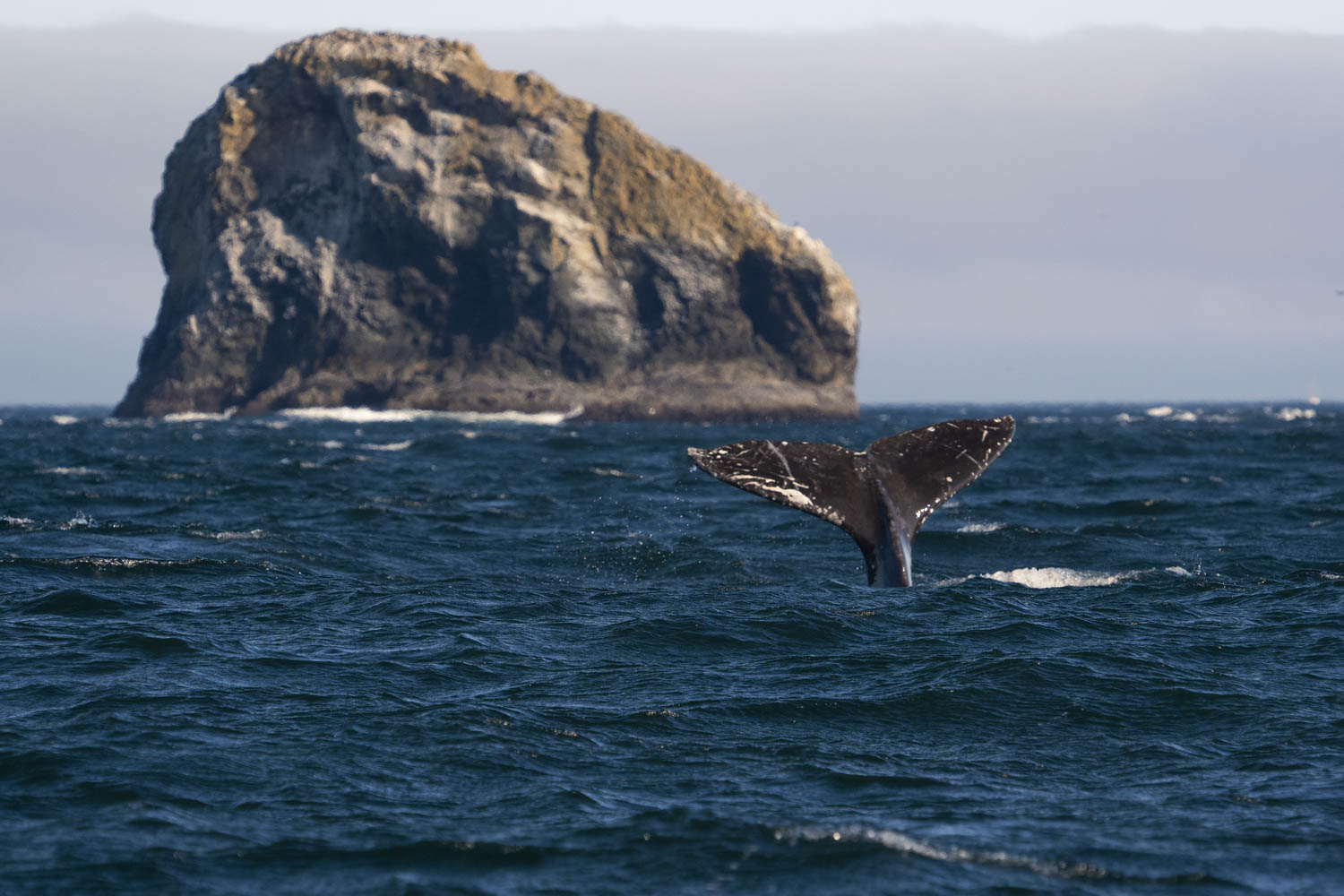
Oregon’s five marine reserves and adjacent marine protected areas are vital to the health of our coastal habitat, benefitting seabirds, fish, marine mammals, and all coastal life above and below the surface. Marine reserves prohibit removal of marine life and ocean development while marine protected areas allow some fishing activity while still prohibiting ocean development. These underwater wilderness areas conserve habitats and biodiversity, act as a buffer from human-caused impacts, and serve as “living laboratories” for scientific research. We need your support to ensure Oregon’s marine reserves are ecologically viable and to ensure they continue to be a priority program for the Oregon Department of Fish and Wildlife.
Rocky Habitats
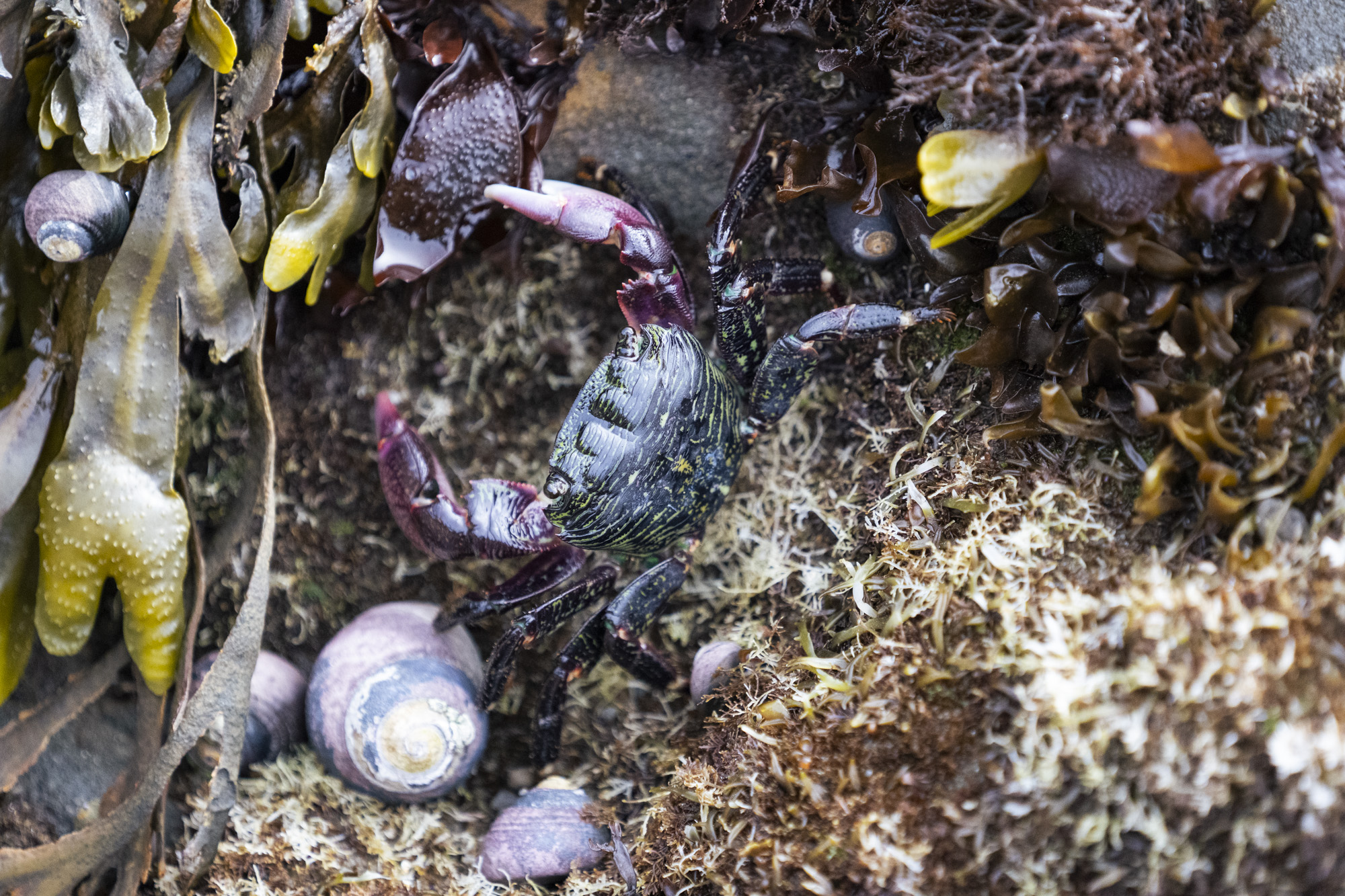
Oregon’s iconic rocky habitats are both biologically and culturally important, making up 41% of the state’s 362 mile coastline. From iconic Haystack Rock on the north coast to the numerous majestic sea stacks and rock arches off Oregon’s beautiful south coast, these rocky habitats support a wealth of marine life and they attract millions of visitors and recreationists each year.
Kelp & Eelgrass
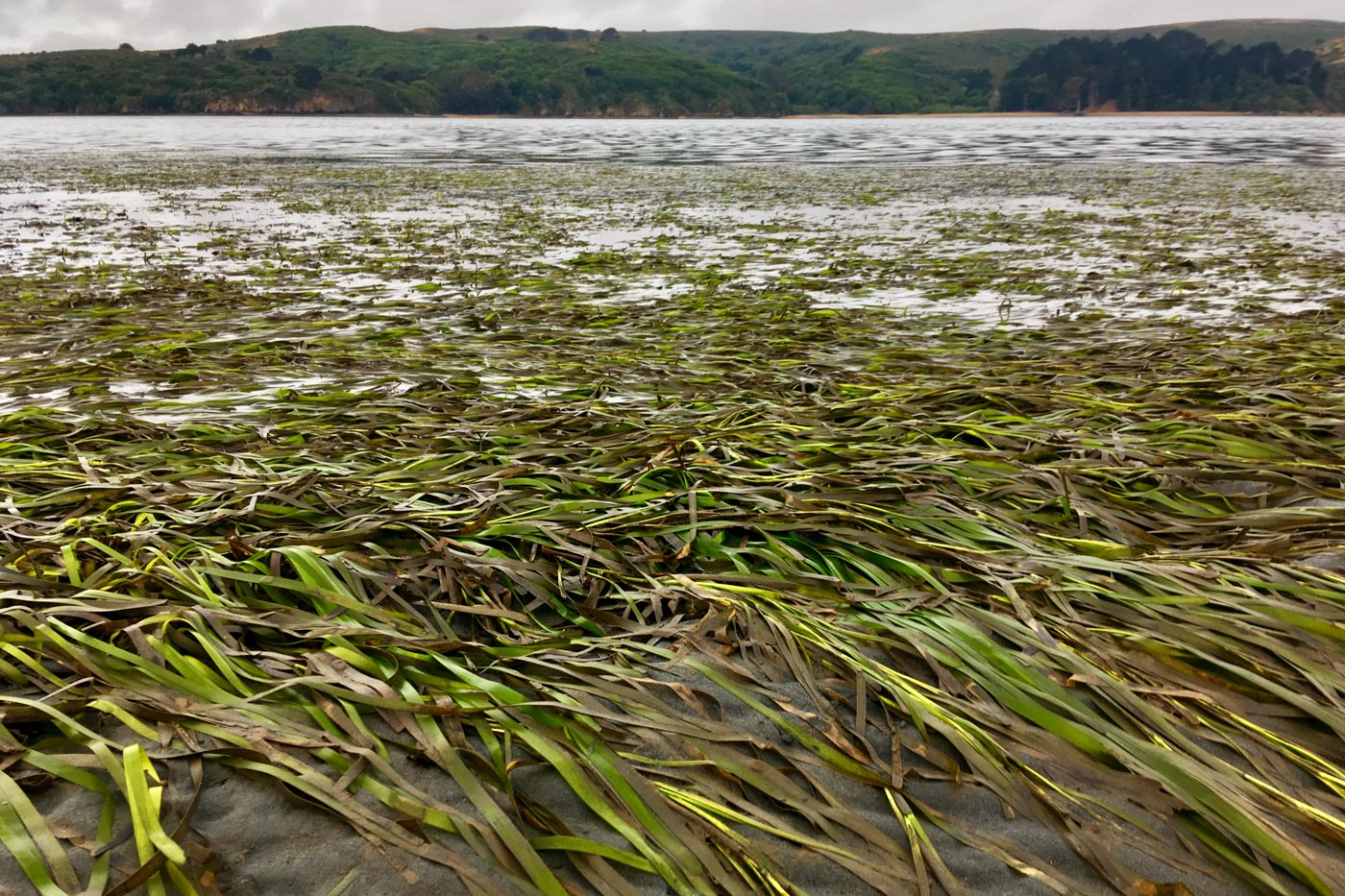
Kelp forests and eelgrass meadows are among the most productive marine habitats on earth because they sequester significant amounts of carbon and provide food and shelter for a wide diversity of marine life. In fact, these complex habitats are the backbone of entire marine food webs and ecosystems and play a critical role in the life cycles of many marine species including fish, shellfish, invertebrates, marine mammals, and birds.
Sandy Beaches and Dunes
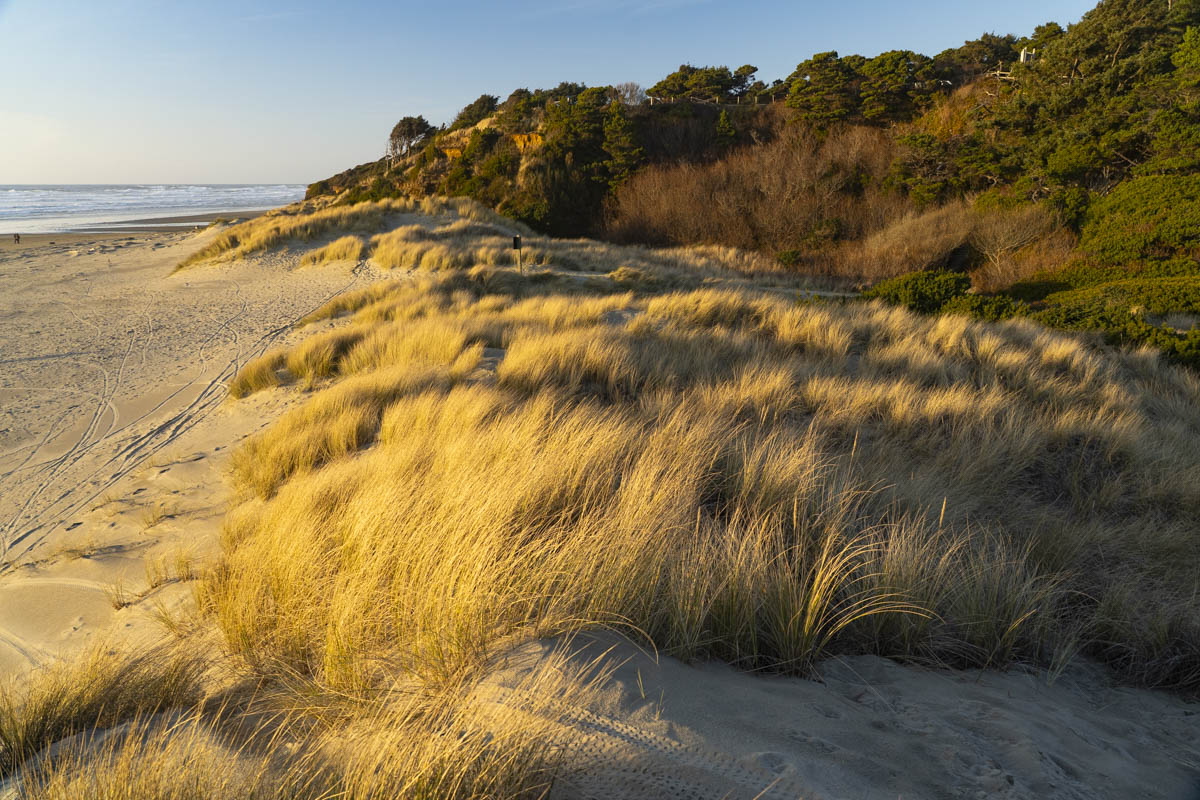
Sandy beaches and dunes are cherished and dynamic coastal areas that protect Oregon’s coastal zone and support diverse wildlife. These habitats buffer coastal communities from storms and erosion, provide vital habitat for federally listed species including the Western Snowy Plover, Pink Sand Verbena and Coastal Marten, and sustain local economies through tourism and recreation. Healthy, unarmored beaches and dunes are essential to Oregon’s coastal climate resilience.